
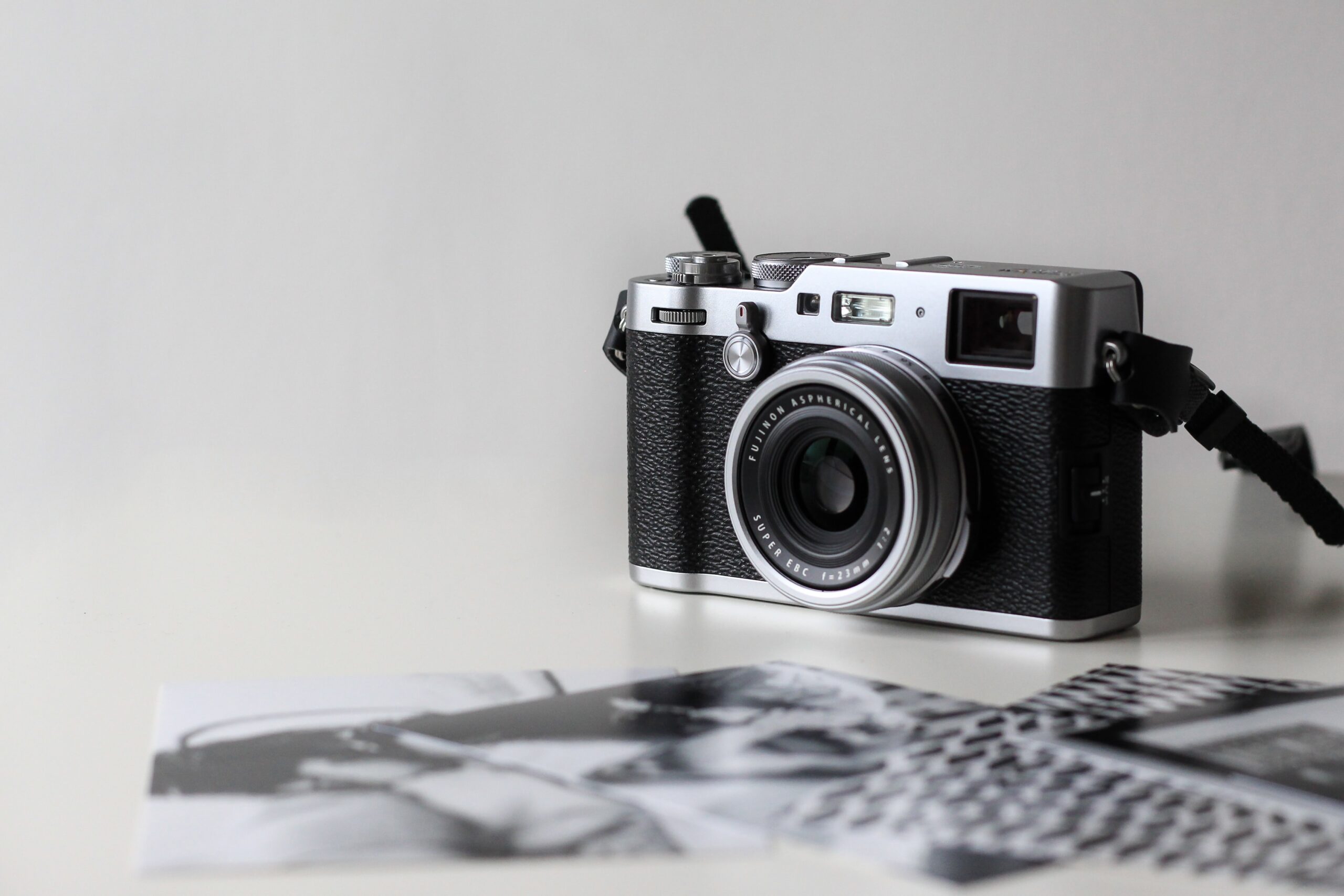
Looking for the best camera for photography? You aren’t short of choices in 2022. It’s been a strong year so far for Micro Four Thirds and APS-C cameras, which now offer a fine alternative to the many full-frame options we’ve seen arrive recently. The difficult bit is deciding the best camera for you, but luckily that’s where we can help. Based on countless hours of testing out in the field, we’ve created this ranked list of the finest cameras for photography.

- Sony A7 IV
Following Sony’s fantastic A7 III was never going to be easy, but the A7 IV is a worthy successor. Equipped with a new 33MP sensor that’s solid for both stills and video, it’s a compelling mirrorless option for hybrid shooters. In our review, we called it a “brilliant blend of photographic power and video versatility”.
A price hike does mean it’s no longer an entry-level full-frame camera like its forebear, but a Bionz XR processor powers solid performance that broadly justifies the extra expenditure.
The A7 IV also benefits from Sony’s class-leading autofocus skills, plus upgrades like 10-bit video support and a seemingly endless buffer depth with a CFexpress card. Our tests found this buffer to be more generous than most shooters will need, with image quality leaning more towards resolution than low-light performance.
No hybrid camera comes without compromise: there is a heavy crop on 4K footage and it isn’t the simplest camera for beginners to use. The Canon EOS R6 also offers faster burst speeds for a similar price. But considering its powerful versatility and higher resolution, the Sony A7 IV deservedly takes our number one spot.

- Fujifilm X-T4
It isn’t a full-frame camera, but in our review, we called the Fujifilm X-T4 the best APS-C camera we’ve ever tested – and its blend of features, size and value make it a fine choice for hobbyist shooters. The X-T4 builds on the Fujifilm X-T3’s impressive foundation by adding in-body image stabilization (IBIS), faster burst shooting, and some successful design tweaks. Adding to its all-rounder skills are a bigger battery (which keeps it going for 500 shots per charge) and some improved autofocus, which our tests found to be fast and reliable in most scenarios.
We think the X-T4’s 26MP APS-C sensor is class-leading for still photography, but the X-T4 is also a superb video camera. The in-body image stabilization (IBIS) is a big bonus here, and the X-T4 backs that up with a huge range of tools and a great shooting experience, including a fully articulating touchscreen. It might cost the same as some full-frame cameras, but the X-T4 and its fine range of X-series lenses make a great, smaller alternative for those looking for a mirrorless all-rounder. Despite the looming possibility of a Fujifilm X-H2, it remains one of the best cameras for photography.

- Canon EOS R6
While the Canon EOS R5 is overkill for most people, the EOS R6 is a more affordable full-frame alternative that is simply one of the best cameras for photography around. If you already own one of Canon’s early mirrorless full-framers like the EOS R, or any of its DSLRs, this is a more than worthy upgrade. Based on our review, the EOS R6 brings best-in-class autofocus, a superb in-body image stabilization system, and burst shooting powers that mark it out as a very fine camera for wildlife or sports photography.